Unlocking the Secrets of Mood Stones: A Guide to Understanding Their Power
Mood stones have captivated people for centuries, offering a unique blend of mystique, beauty, and the promise of emotional insight. These fascinating gemstones have evolved from ancient spiritual practices to modern wellness trends, becoming increasingly popular among those seeking alternative methods to understand and manage their emotional states. Whether you're a seasoned collector, a curious newcomer, or someone interested in the intersection of science and spirituality, this comprehensive guide will help you unlock the secrets of mood stones and understand their remarkable power.
What Are Mood Stones?
Mood stones, also known as mood rings or emotion stones, are gemstones that are believed to change color in response to the wearer's emotional state or body temperature. The most common mood stone is the alexandrite, a chrysoberyl variety that exhibits remarkable color-changing properties. However, the term "mood stone" has expanded to include various other gemstones and crystals that are associated with emotional healing and spiritual awareness.
The concept of mood stones is rooted in the belief that different colors correspond to different emotional states and energy frequencies. According to practitioners of crystal healing and metaphysical traditions, these stones can serve as mirrors to our inner emotional landscape, helping us become more aware of our feelings and psychological states. The color changes are attributed to shifts in body temperature, aura changes, or energetic vibrations that the stones are believed to detect and reflect.
The History of Mood Stones
The history of mood stones is a fascinating journey that spans centuries and crosses multiple cultures. Ancient civilizations, including the Egyptians, Greeks, and Romans, attributed magical and healing properties to various gemstones. These cultures believed that stones possessed inherent energies that could influence human emotions and physical well-being.
The modern concept of mood rings emerged in the 1970s when two American inventors, Joshua Reynolds and Maris Ambats, patented the mood ring. Their invention featured a liquid crystal that changed color based on temperature fluctuations. The mood ring became a cultural phenomenon, capturing the imagination of millions who were fascinated by the idea of wearing a device that could display their emotional state.
However, the scientific basis for mood rings is more straightforward than the spiritual claims suggest. The color changes in mood rings are primarily caused by thermochromic liquid crystals that respond to changes in body temperature. When you're stressed or anxious, your body temperature typically drops slightly, causing the liquid crystals to shift to different colors. Conversely, when you're relaxed or happy, your body temperature rises, resulting in different color displays.
Understanding the Science Behind Mood Stones
While the spiritual and metaphysical aspects of mood stones are intriguing, it's important to understand the scientific principles that underlie their color-changing properties. This knowledge doesn't diminish the value of mood stones; rather, it provides a foundation for appreciating both their physical and symbolic significance.
Thermochromic Properties
The primary scientific mechanism behind mood stones is thermochromism, the ability of a substance to change color in response to temperature variations. Thermochromic materials contain compounds that undergo structural changes when exposed to different temperatures, resulting in visible color shifts.
In mood rings, the thermochromic element is typically a liquid crystal sealed within a stone or glass dome. These liquid crystals are organic compounds that exhibit unique optical properties. When the temperature increases, the molecular structure of the liquid crystal changes, altering how it reflects and absorbs light. This results in the characteristic color changes that mood rings are famous for.
The temperature sensitivity of these liquid crystals is quite precise. Different liquid crystal formulations are designed to change colors at specific temperature ranges, typically between 31 and 34 degrees Celsius, which corresponds to normal human body temperature variations. This precision allows mood rings to display a spectrum of colors that correlate with different emotional states and body temperature ranges.
The Role of Body Temperature
Your body temperature is constantly fluctuating in response to various factors, including emotional state, physical activity, ambient temperature, and overall health. These fluctuations, though often subtle, are significant enough to trigger color changes in mood stones.
When you experience stress, anxiety, or fear, your body's sympathetic nervous system activates, causing blood vessels to constrict. This constriction reduces blood flow to the skin's surface, resulting in a slight decrease in skin temperature. Conversely, when you're relaxed, happy, or experiencing positive emotions, your parasympathetic nervous system dominates, blood vessels dilate, and skin temperature increases.
This physiological response is the foundation of how mood stones work. By monitoring these temperature changes, mood stones provide a tangible representation of your body's response to emotional stimuli. While the stones themselves don't directly detect emotions, they serve as excellent biofeedback tools, helping you become more aware of your body's physical responses to emotional situations.
The Metaphysical and Spiritual Significance of Mood Stones
Beyond the scientific explanations, mood stones hold deep metaphysical and spiritual significance for many people. These beliefs are rooted in ancient traditions and contemporary crystal healing practices that view stones as conduits of energy and consciousness.
Crystal Energy and Vibrations
In metaphysical traditions, all matter is believed to vibrate at specific frequencies, and crystals and gemstones are thought to possess particularly stable and powerful vibrational patterns. According to crystal healing practitioners, these vibrations can interact with human energy fields, influencing emotional and physical well-being.
Different stones are associated with different vibrational frequencies and corresponding emotional or spiritual qualities. Mood stones, in particular, are believed to amplify and reflect the wearer's energetic state, making internal emotional conditions visible and tangible. This concept aligns with the idea that awareness is the first step toward emotional healing and personal growth.
Color Symbolism and Emotional Correspondence
The colors displayed by mood stones are rich with symbolic meaning. Each color is traditionally associated with specific emotions and spiritual qualities:
Black or Dark Colors: Often associated with stress, anxiety, tension, or negative emotions. Black is believed to indicate a need for grounding and emotional stabilization.
Brown or Amber: Connected to feelings of calm, relaxation, and stability. These colors suggest a balanced emotional state and a sense of security.
Green: Traditionally linked to healing, growth, balance, and harmony. Green mood stones are believed to indicate emotional equilibrium and a connection to nature and renewal.
Blue: Associated with tranquility, communication, and spiritual awareness. Blue mood stones suggest a state of calm and clear thinking.
Purple or Violet: Connected to spiritual awareness, intuition, and higher consciousness. These colors indicate deep introspection and spiritual connection.
Pink or Red: Associated with passion, love, energy, and vitality. These colors suggest heightened emotional intensity and physical energy.
Understanding these color associations allows you to interpret the messages your mood stone is displaying and use this information for self-reflection and emotional awareness.
The Concept of Aura and Energy Fields
Many practitioners of crystal healing and metaphysical traditions believe that all living beings are surrounded by an energy field known as an aura. This aura is believed to reflect a person's emotional, mental, and spiritual state. According to these beliefs, mood stones are sensitive to changes in the aura and respond by changing colors to reflect the wearer's current energetic state.
While scientific evidence for auras remains limited, the concept provides a framework for understanding how mood stones might work beyond simple thermochromism. Whether or not auras exist in the way described by metaphysical traditions, the practice of using mood stones as tools for self-awareness and emotional reflection has proven valuable for many people.
Types of Mood Stones and Their Unique Properties
While alexandrite and mood rings are the most well-known examples, numerous other stones and crystals are associated with mood-related properties and emotional healing. Understanding the different types of mood stones can help you choose the ones that resonate most strongly with your personal needs and spiritual beliefs.
Alexandrite: The Classic Mood Stone
Alexandrite is a variety of chrysoberyl that exhibits remarkable color-changing properties. In daylight or fluorescent light, alexandrite typically appears green or blue-green. Under incandescent light, it shifts to red or pink tones. This color-changing ability, known as pleochroism, is caused by the presence of chromium impurities in the crystal structure.
Alexandrite is highly valued for its rarity and beauty, making it one of the most expensive mood stones. Beyond its aesthetic appeal, alexandrite is believed to enhance emotional balance, promote creativity, and strengthen intuition. Many people are drawn to alexandrite for its ability to symbolize transformation and adaptation, qualities that align with the emotional flexibility that mood stones are meant to encourage.
Amethyst: The Stone of Spiritual Awareness
Amethyst, a purple variety of quartz, is one of the most popular crystals in metaphysical practices. While not technically a mood stone in the thermochromic sense, amethyst is strongly associated with emotional healing and spiritual awareness. It's believed to promote calmness, reduce anxiety, and enhance intuition.
Amethyst's purple color is associated with the crown chakra, the energy center believed to govern spiritual connection and higher consciousness. Many people use amethyst as a meditation tool or keep it in their living spaces to promote a sense of peace and spiritual awareness.
Rose Quartz: The Stone of Love and Compassion
Rose quartz, a pink variety of quartz, is traditionally associated with love, compassion, and emotional healing. It's believed to open the heart chakra and promote self-love and forgiveness. Rose quartz is often used by people seeking to heal emotional wounds or cultivate more loving and compassionate relationships.
The gentle pink color of rose quartz is soothing and calming, making it a popular choice for those seeking emotional comfort and support. Many people carry rose quartz or place it in their bedrooms to promote peaceful sleep and emotional healing.
Citrine: The Stone of Abundance and Joy
Citrine, a yellow or golden variety of quartz, is associated with abundance, joy, and positive energy. It's believed to enhance creativity, boost confidence, and attract prosperity. Citrine's warm, sunny color is naturally uplifting, making it a popular choice for those seeking to elevate their mood and attract positive experiences.
Labradorite: The Stone of Transformation
Labradorite, a feldspar mineral, is known for its striking labradorescence, a play of colors that shifts as the stone is moved. This color-changing property makes it a natural mood stone that reflects the wearer's energetic state. Labradorite is associated with transformation, protection, and spiritual awareness.
How to Use Mood Stones for Emotional Awareness and Healing
Understanding how to effectively use mood stones can enhance their benefits and help you develop a deeper connection with your emotional landscape. There are numerous ways to incorporate mood stones into your daily life and spiritual practice.
Wearing Mood Stones
The most direct way to use mood stones is to wear them as jewelry. Mood rings, necklaces, bracelets, and earrings allow you to keep the stone in close contact with your body, maximizing its thermochromic responsiveness and energetic influence. When wearing a mood stone, pay attention to the colors it displays throughout the day and use these color changes as prompts for self-reflection.
When you notice your mood stone changing to a color associated with stress or negative emotions, pause and ask yourself what triggered this emotional response. This practice of mindful observation can help you develop greater emotional awareness and identify patterns in your emotional reactions.
Meditation with Mood Stones
Incorporating mood stones into your meditation practice can deepen your spiritual connection and enhance emotional awareness. Hold a mood stone in your hand or place it on your heart chakra while meditating. Focus on the stone's color and the emotions it represents. Allow the stone to serve as a focal point for your meditation, helping you explore and understand your emotional landscape.
As you meditate, observe any color changes in the stone and use these changes as feedback about your emotional state. This practice can help you develop greater sensitivity to your body's subtle responses and deepen your understanding of the mind-body connection.
Creating a Mood Stone Altar
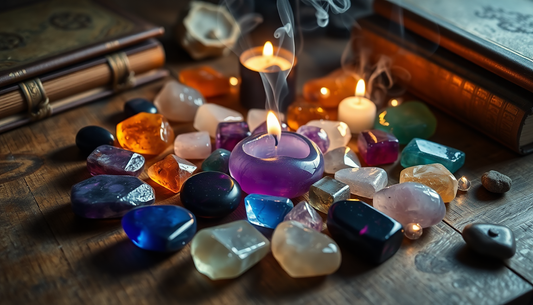
Many people create personal altars or sacred spaces featuring mood stones and other crystals. These spaces serve as dedicated areas for meditation, reflection, and spiritual practice. Arrange your mood stones in a way that feels meaningful to you, perhaps organizing them by color or emotional quality.
Spend time in your sacred space regularly, using it as a place to check in with your emotions and intentions. The presence of mood stones in this space can serve as a reminder to prioritize emotional awareness and self-care.
Carrying Mood Stones
Carrying a small mood stone in your pocket or bag allows you to access its energy throughout the day. When you feel stressed or emotionally overwhelmed, take out your mood stone and observe its color. This simple act can serve as a grounding technique, helping you reconnect with your body and emotions.
Using Mood Stones in Sleep and Dreams
Placing a mood stone under your pillow or on your nightstand is believed to promote peaceful sleep and enhance dream recall. Many people report that mood stones help them process emotions during sleep and wake up with greater emotional clarity.
The Psychology of Mood Stones: Placebo Effect or Real Power?
A common question that arises when discussing mood stones is whether their effects are genuine or merely the result of placebo. This question touches on the fascinating intersection of psychology, spirituality, and science.
Understanding the Placebo Effect
The placebo effect is a well-documented psychological phenomenon in which a person experiences real physiological or psychological changes in response to an inert substance or treatment, simply because they believe it will be effective. Numerous scientific studies have demonstrated that placebo effects are not merely imaginary; they produce measurable changes in brain activity and physical health outcomes.
If mood stones work primarily through placebo effect, this doesn't diminish their value. The placebo effect is a powerful tool for healing and personal growth. When you use a mood stone with the intention of becoming more emotionally aware, your brain activates neural pathways associated with self-reflection and emotional processing. This activation can lead to genuine insights and positive changes in your emotional well-being.
The Power of Intention and Attention
One of the most significant ways mood stones influence our emotional lives is through the power of intention and attention. When you decide to use a mood stone as a tool for emotional awareness, you're making a commitment to pay attention to your emotional state. This increased attention alone can lead to greater emotional awareness and more effective emotional regulation.
The act of checking your mood stone throughout the day serves as a reminder to pause and reflect on your emotional state. This practice of mindfulness, regardless of whether the stone's color changes are caused by thermochromism or metaphysical energy, can significantly improve emotional well-being.
The Mind-Body Connection
Mood stones highlight the profound connection between mind and body. Your emotional state directly influences your body temperature, heart rate, breathing patterns, and numerous other physiological processes. By using mood stones as biofeedback tools, you're leveraging this mind-body connection to develop greater awareness and control over your emotional responses.
This mind-body connection is not merely psychological; it's deeply rooted in neurobiology. Your emotional state activates specific neural pathways and triggers the release of various neurotransmitters and hormones. By becoming aware of these physiological responses through mood stones, you can develop more effective strategies for emotional regulation.
Choosing the Right Mood Stone for Your Needs
With so many different mood stones available, selecting the right one for your personal needs and preferences is an important decision. Consider the following factors when choosing a mood stone.
Personal Resonance and Intuition
The most important factor in choosing a mood stone is personal resonance. When you encounter a particular stone, pay attention to how it makes you feel. Do you feel drawn to its color, texture, or energy? Trust your intuition and choose stones that resonate with you on a deep level.
Many people report that they're naturally drawn to the stones they need most. If you're struggling with anxiety, you might find yourself drawn to calming blue or green stones. If you're seeking to enhance creativity and joy, you might be attracted to vibrant yellow or orange stones.
Emotional Goals and Intentions
Consider what emotional or spiritual goals you're hoping to achieve. Are you seeking greater calm and relaxation? Choose stones associated with tranquility, such as amethyst or blue mood stones. Are you looking to enhance creativity and confidence? Consider citrine or other warm-colored stones.
Aligning your mood stone choice with your emotional intentions creates a powerful synergy that can enhance the stone's effectiveness as a tool for personal growth.
Aesthetic Preferences
Since you'll likely be wearing or carrying your mood stone regularly, choose one that appeals to you aesthetically. The beauty of the stone can serve as a daily reminder of your commitment to emotional awareness and self-care.
Quality and Authenticity
When purchasing mood stones, ensure that you're buying from reputable sources. Authentic mood stones should display genuine color-changing properties and be free from artificial dyes or treatments. Research the seller and ask questions about the stone's origin and properties.
Caring for Your Mood Stones
Proper care and maintenance of your mood stones ensures that they remain beautiful and energetically potent for years to come.
Cleansing Your Mood Stones
Many practitioners believe that mood stones absorb emotional energy from their wearers and should be regularly cleansed to remove accumulated negative energy. There are several methods for cleansing mood stones:
Moonlight Cleansing: Place your mood stones under the light of the full moon overnight. The moon's energy is believed to purify and recharge crystals.
Sunlight Cleansing: Expose your mood stones to sunlight for several hours. However, be cautious with delicate stones that might fade with prolonged sun exposure.
Water Cleansing: Rinse your mood stones under running water